Load-Bearing Walls: A CBT Approach to Understanding Addiction
By Christopher Schamber, LCSW

Everyone is trying to do the best they can with what they've got. If you went around your local community and asked all of the kindergarteners what they wanted their adulthood to look like, I’d bet exactly zero percent of them would say they wish for a life filled with emotional instability, frayed relationships, economic hardship, and medical problems. Nonetheless, 16.8% of Americans find themselves living this reality. According to the Substance Abuse and Mental Health Services Administration (SAMHSA)’s 2024 National Survey on Drug Use and Health, 48.4 million Americans age 12 or older qualify as having a substance use disorder.
Nobody endeavors for addiction, yet addiction comes for many of us anyway. Often, we’re taught to manage this uncomfortable truth by diverting our gaze, shrugging, and labeling these affected individuals as screw-ups. Junkies. Failures. Many people believe these individuals use not because of the medically recognized phenomenon of addiction, but because of an intrinsic moral failure.
With the Cognitive Model, we know that no behavior exists in a vacuum, yet social stigma can cloud this knowledge, even among practitioners. The uncomfortable truth is that the same learning principles incentivizing a person to overlook an “addict”’s humanity also perpetuate cycles of addiction. CBT therapists have a responsibility to understand the function of this cycle of behavior.
How Learning Happens

Our brains’ primary directive throughout evolution wasn’t to enjoy happy families, successful careers, and fulfilling hobbies. These are wonderful byproducts, yet they are all secondary to our nervous system’s number one responsibility: to help us survive.
Our brains evolved to make decisions quickly. Survival required the brain to rapidly recognize patterns and activate behavior.
Learning follows a familiar behavioral pattern: stimuli trigger behaviors, which are then shaped by consequences. If we like the consequence, we’re more likely to repeat that behavior if we encounter that trigger again. If we don’t like the consequence, we’re more likely to try some other action.
Imagine you’re out and about, starving, when you come across a vending machine. You put in your money, select your favorite snack… and all of a sudden five packages drop out! A smile crosses your face as dopamine surges through your body, and you make a mental note to stop by this machine any time you’re in the area.
If that same machine took your money without dropping any of that delicious snack? You’d probably vow to never come to that machine again.
The more frequently or powerfully a consequence hits, the more our brain learns which behaviors to repeat in the future. For better or worse, short-term consequences are far more influential in the wiring of these neurons than long-term consequences. What happens right after we do something matters immensely in our learning. This is part of what makes addiction so tricky. Long-term, we may intellectually understand the physical, emotional, and interpersonal consequences substance use can create. However, in the moments after a person engages in the addictive behavior, they likely receive some sort of powerful benefit. Over time, the brain learns that substance use (or other such addictive behaviors) is the big red button to hit when it needs that reward.
Rewards of All Shapes and Sizes

Rewards come in all shapes and sizes. Positive reinforcement means that a behavior yields a pleasant consequence. When I go to work, I receive a paycheck. When I drink hot coffee in the morning, I get a boost of energy.
When a person repeatedly engages in problematic behavior, there’s a strong likelihood they’re being rewarded with some sort of positive reinforcement. A college student drinking excessively with his friends every night is enjoying a sense of connection and belonging. Someone who is gambling gets such an overwhelming rush of excitement from their occasional winnings that they will keep betting through a crushing losing streak. Methamphetamine produces dramatic dopamine surges far beyond typical baseline levels, helping explain its powerful reinforcing effects (Lin et al., 2016). Few naturally occurring rewards can compete with that intensity.
Negative reinforcement, on the other hand, refers to the phenomenon of a behavior being rewarded through the removal of an unpleasant stimulus, thus making a person more likely to repeat that behavior in the future. That college student drinking excessively with his friends? He may find alcohol eases his social anxiety, allowing him to feel more comfortable at parties. Maladaptive behaviors often become addictive because they’re so effective at escaping short-term distress. Research suggests trauma exposure is highly prevalent among individuals with substance use disorders (Farrugia et al., 2011). When someone is overwhelmed with anger, fear, shame, or sadness over a past wound, what could possibly change their cognitive and emotional state faster than using their substance of choice? The removal of the disturbance constitutes a powerful negative reinforcement.
As an aside, there’s a certain irony that it’s that same learning mechanism, negative reinforcement, that perpetuates stigma in our culture. Witnessing the raw struggles someone with addiction faces is deeply disturbing. Labeling these people and dismissing their humanity may temporarily relieve us of the discomfort of recognizing that someone’s partner, sibling, parent, and/or child is suffering. Our brains, upon learning that such stigmatizing thoughts bring temporary comfort, fortify the neural pathways that make us more likely to employ the same cognitive tactics when exposed to addiction in the future.
The Good News

If a doctor doesn’t know why someone came into their office coughing, they’re going to struggle knowing how to help them. Best case scenario, a doctor flying blind like this would probably be ineffective in their treatment. At worst, their ignorance could cause harm. Developing a solid case conceptualization gives clinicians their best chance at breaking the cycle of addiction.
We must first understand how these problematic behaviors are load-bearing walls, maintaining the structural integrity of a person’s life. Telling a person to “just stop using” isn’t likely to work. However, if we can add new support beams to hold the structure of a person’s life together, those load-bearing walls become redundant and can then be safely removed.
Replacing the addictive behavior’s function with a healthier alternative is a tremendous first step toward creating change. If a college student is experiencing significant social anxiety, he may benefit from cognitive restructuring and coping skills to help alleviate the distress and better enjoy being with friends. If a person is experiencing immense emotional pain and activation from past trauma, he may find less urge to use if he’s managing pain with evidence-based interventions such as DBT skills training, Cognitive Processing Therapy (CPT), or other behavioral approaches targeting emotional avoidance and dysregulation.
Each person’s unique triggers provide a wealth of information, too. What internal (thoughts, emotions, physical states) or external (people, places, things) phenomena seem to always lead to substance use for a particular individual? Examining antecedents and consequences helps clarify the function of the behavior. A person’s feelings, so often smothered by addiction, also provide a roadmap to what’s wrong. Emotions are a thermometer, giving visceral feedback to what is and isn’t working in our life. That information can steer us to which “load-bearing walls” need more support before they can be demolished.
When it comes to addiction, there is always a why. Understanding the function of a problematic behavior is more than a clinical exercise, though. It’s an act of respect. Taking the time to understand one’s choices, as flawed or damaging as they may be, sets the stage for successful treatment. Suddenly, a blueprint unfurls in front of us, filled with ideas for developing skills, challenging thoughts, and replacing destructive behaviors. Recognizing the purpose behind addiction is a radical act of empathy. It sets the stage for client-centered CBT interventions that can guide the people who’ve long been cast to the shadows back toward a life they’re excited to live.

References
Lin, M., Sambo, D., & Khoshbouei, H. (2016). Methamphetamine regulation of firing activity of dopamine neurons. Journal of Neuroscience, 36(40), 10376–10391. https://doi.org/10.1523/JNEUROSCI.1392-16.2016
Farrugia, P. L., Mills, K. L., Barrett, E., Back, S. E., Teesson, M., Baker, A., Sannibale, C., Hopwood, S., Rosenfeld, J., Merz, S., & Brady, K. T. (2011). Childhood trauma among individuals with co-morbid substance use and post traumatic stress disorder. Mental Health and Substance Use, 4(4), 314–326. https://doi.org/10.1080/17523281.2011.598462
Substance Abuse and Mental Health Services Administration. (2025). Results from the 2024 National Survey on Drug Use and Health: Key substance use and mental health indicators in the United States. U.S. Department of Health and Human Services. https://www.samhsa.gov/data/report/2024-nsduh-annual-national-report
References
Lin, M., Sambo, D., & Khoshbouei, H. (2016). Methamphetamine regulation of firing activity of dopamine neurons. Journal of Neuroscience, 36(40), 10376–10391. https://doi.org/10.1523/JNEUROSCI.1392-16.2016
Farrugia, P. L., Mills, K. L., Barrett, E., Back, S. E., Teesson, M., Baker, A., Sannibale, C., Hopwood, S., Rosenfeld, J., Merz, S., & Brady, K. T. (2011). Childhood trauma among individuals with co-morbid substance use and post traumatic stress disorder. Mental Health and Substance Use, 4(4), 314–326. https://doi.org/10.1080/17523281.2011.598462
Substance Abuse and Mental Health Services Administration. (2025). Results from the 2024 National Survey on Drug Use and Health: Key substance use and mental health indicators in the United States. U.S. Department of Health and Human Services. https://www.samhsa.gov/data/report/2024-nsduh-annual-national-report
Visit Chris' website: https://holding-light.com
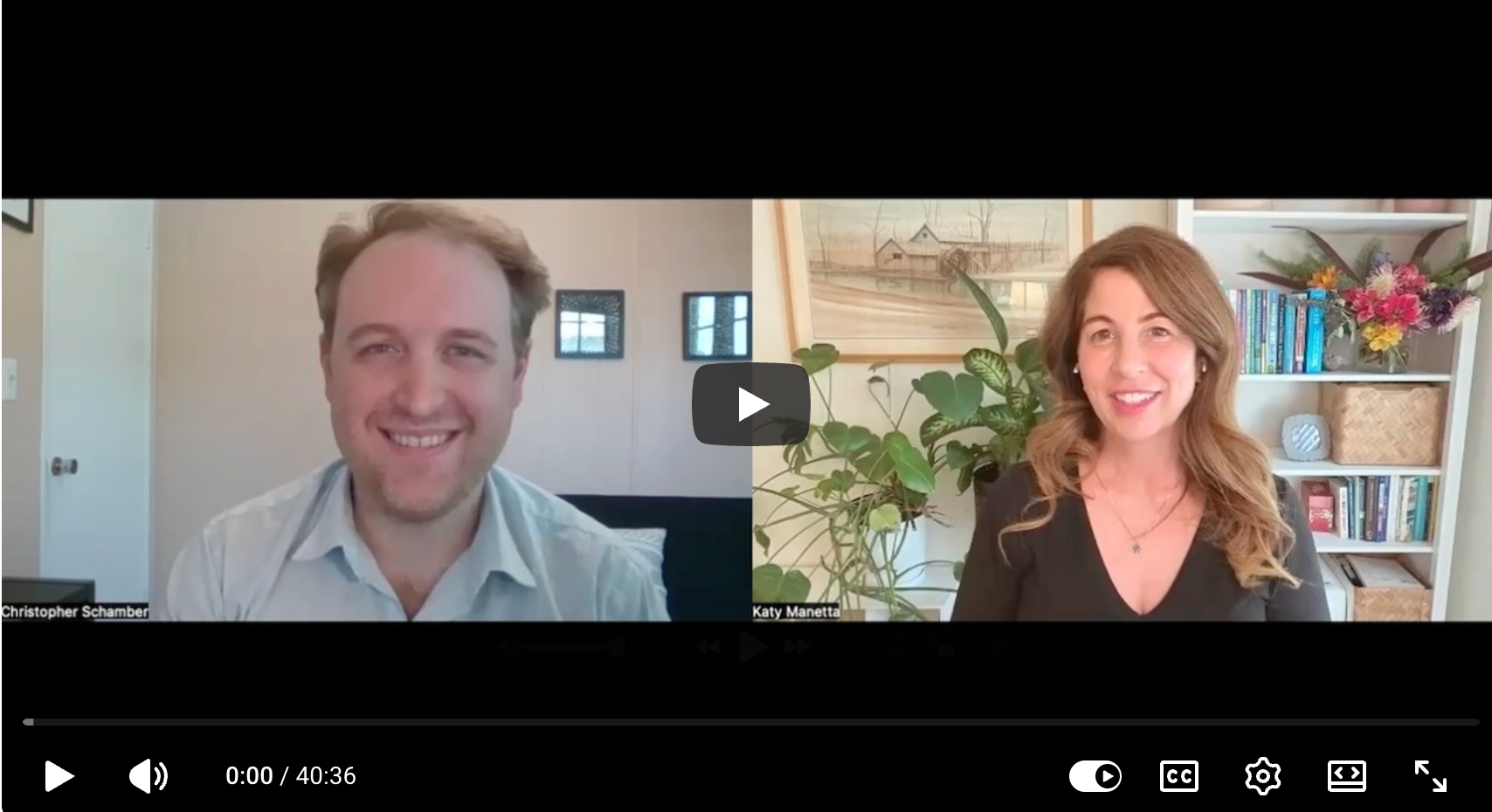
Check out our YouTube channel for a conversation about this (and more) with Dr. Katy Manetta: