The Myth That CBT Does Not Work for Trauma
By Scott Waltman, PsyD, ABPP

The Rise of Body-Focused Trauma Therapies
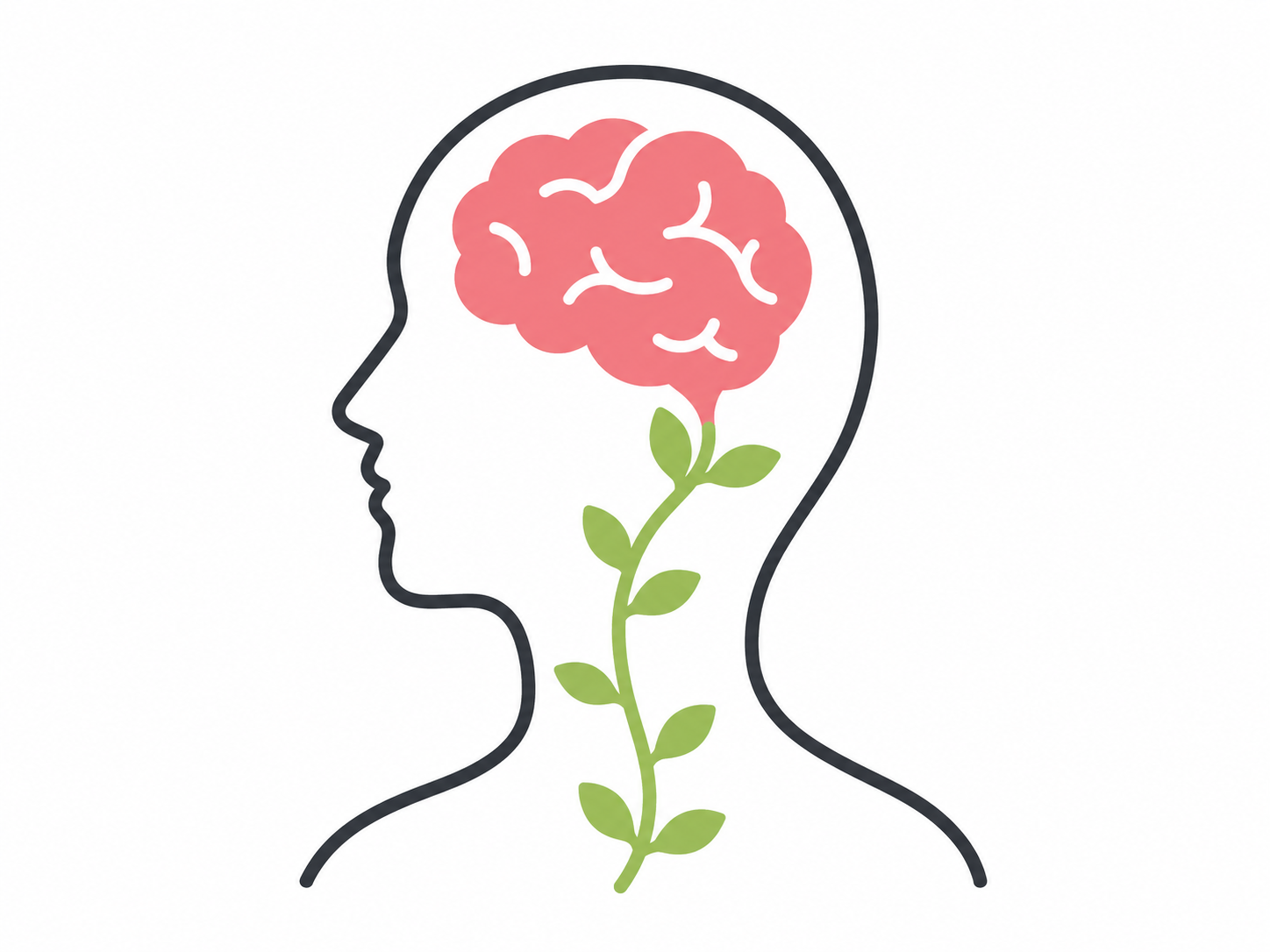
In recent years, body-focused or somatic therapies for trauma have gained in popularity. Truisms like “the body keeps the score” (see van der Kolk, 1996) have highlighted the mind-body connection and the ways in which trauma can manifest physiologically. Therapy strategies such as polyvagal therapy have grown in popularity following this as well (Porges, 2018). To date, there are not sufficient outcome data to know if polyvagal therapy is effective at treating the effects of trauma, and the scientific community has been critical of the precise assumptions of polyvagal theory (see Grossman, 2023; Liem, 2021). Future research will help clarify what the optimal therapy for treating trauma is. Currently, the gold standard is cognitive behavior therapy (CBT).
What Does the Evidence Say About PTSD Treatment?
Cognitive behavioral therapies like cognitive processing therapy (CPT) and prolonged exposure (PE) are the only trauma-focused therapies designated as first-line treatments by the clinical practice guidelines of both the American Psychological Association (APA;
https://www.apa.org/ptsd-guideline) and the Veterans Health Administration (VA;
https://www.healthquality.va.gov/guidelines/mh/ptsd/). Additionally, research on trauma-focused therapy has demonstrated that cognitive modification is likely the active ingredient in trauma-focused therapy. That is to say that changes in cognitive factors have been demonstrated to precede and predict changes in trauma-reaction symptomology (Ehlers et al., 2021).
The Misconception That CBT Doesn't Work for Trauma
Despite all this, there is prevailing misinformation on social media that CBT based strategies like cognitive restructuring do not work for PTSD (Cox & Codd, 2024). These fallacious assertions are often based on a fundamental misunderstanding of CBT. The errant assumptions seem to be based on ideas that CBT for PTSD is telling people that they are catastrophizing the trauma itself and an emphasis on positive thinking. These assumptions are inaccurate and potentially harmful as they may dissuade people who need care from seeking treatments that we know work (see Cox & Codd, 2024).
Other times, these assumptions about CBT and trauma are based on enthusiasm for body-focused strategies. This enthusiasm can create an in-group/out-group mentality. People seem to land on the idea that if they like body-focused strategies they can’t like cognitive strategies, as if these are opposing teams or something.
CBT Is More Than Thought Records

Cognitive behavior therapy is considered to be the “gold standard” in psychotherapy (David, Cristea, & Hofmann, 2018; Hofmann, 2021). This does not mean that it is the only therapy that works or that it works better than everything else. It does mean that CBT has a proven track record in treating a wide variety of problems and presentations. In fact, a recent empirical review analyzed 494 meta-analyses and systematic reviews of CBT for various problems and presentations in various settings and with various populations and the authors concluded that there was a preponderance of evidence that CBT was generally effective at improving the quality of life across problems, presentations, populations, and settings (see Fordham et al., 2021).
Socratic Questioning Across Trauma Therapies
Socratic questioning is a major ingredient in several evidence-based approaches to treating posttraumatic stress disorder (PTSD). Cognitive processing therapy (CPT), one of the most widely researched and disseminated treatments for PTSD, is essentially traditional Beckian cognitive therapy applied to trauma; as such, the main component is Socratic questioning (Moore et al., 2021; Resick et al., 2024). Cognitive restructuring and behavioral experiments are a main component of the Ehlers and Clark’s CBT for PTSD protocol (2000). Even modern versions of eye movement desensitization and reprocessing (EMDR) include cognitive interventions during the reevaluation phase (see Shapiro, 2017; Smyth & Poole, 2002), underscoring the extent to which cognitive processes are incorporated across evidence-based trauma treatments. Specialized iterations of Socratic processes, like cognitive restructuring, have been found to be effective with individuals with psychosis and co-occurring PTSD (Mueser et al., 2015).
So, while claims have been made about the unsuitability of CBT for trauma, there is no evidence to substantiate these concerns. Further, there is currently no non-CBT treatment for PTSD that has consistently outperformed specialized CBT protocols such as CPT or PE. It is worth noting that through research many specialized iterations of CBT have been developed to treat specific problems, and reviewing the clinical practice guidelines of respectable organizations is wise.
Practical Suggestions for CBT Clinicians
As a trainer in CBT for PTSD, a few suggestions I would make are: Trauma-related beliefs are not inherently different from other beliefs, but there are a few strategies to keep in mind. Focus on identifying beliefs about the trauma that are about blame and are rigid conclusions. Start with the blame. Revisit the trauma with a focus on viewing the situation in context of what happened at the time. Help the client see that what they did made sense based on what they knew at the time. Next focus on the conclusions they have drawn about themselves, the world, and others. These beliefs can be addressed in a manner similar to core beliefs and intermediate assumptions.
Watch the Author Spotlight interview with Dr. Scott Waltman:
About the Author
Scott Waltman, PsyD, ABPP, is a clinician, international trainer, and practice-based researcher. His interests include evidence-based psychotherapy practice, training, and implementation in systems that provide care to underserved populations. He is president-elect of the Academy of Cognitive & Behavioral Therapies. He is board certified in Behavioral and Cognitive Psychology from the American Board of Professional Psychology. He is first author of Socratic Questioning for Therapists and Counselors: Learn How to Think and Intervene Like a Cognitive Behavior Therapist.
Connect & Learn More
Visit Scott Waltman’s website:
https://www.sanantoniodbtcbt.com/
Watch the Author Spotlight interview with Dr. Scott Waltman: